
If your business depends on reliable connectivity, CAT5e and CAT6 structured network cabling services in Denver, CO provide the foundation you need. Denver Wiring delivers clean installations, tested performance, and scalable low-voltage cabling solutions built for modern commercial environments.
CAT5e and CAT6 Structured Network Cabling Services in Denver, CO
A strong network starts with the right cabling. CAT5e and CAT6 structured network cabling services in Denver, CO provide the foundation for fast, reliable, and scalable business connectivity. Denver Wiring designs and installs low-voltage structured cabling systems that support data, voice, and PoE-powered devices—built to perform today and adapt tomorrow.
Whether you’re wiring a new office, upgrading an existing network, or planning for future growth, professionally installed Cat5e and Cat6 cabling ensures consistent performance across your entire facility.
What Is Structured Network Cabling?
Structured network cabling is a standardized approach to designing and installing low-voltage cabling infrastructure. Instead of running isolated cables for each device, structured cabling organizes all network connections—data, voice, and connected systems—into a clean, centralized layout.
This approach includes:
Category-rated Ethernet cabling
Patch panels and wall jacks
Central network racks or telecom rooms
Clear labeling and documentation
For businesses in Denver, structured cabling simplifies maintenance, improves uptime, and supports future expansion without costly rewiring.
Cat5e vs. Cat6 Cabling: What’s the Difference?
Both Cat5e and Cat6 are twisted-pair Ethernet cables used in commercial low-voltage networks, but they serve different performance needs.
Cat5e Cabling
Cat5e supports gigabit speeds and is suitable for many standard business environments. It’s often used where performance requirements are moderate and installation flexibility is important.
Cat6 Cabling
Cat6 offers higher bandwidth, improved signal integrity, and better resistance to interference. It’s ideal for high-demand networks, PoE applications, and businesses planning for future upgrades.
services
CAT5e & CAT6 Structured Cabling Services Offered by Denver Wiring
Denver Wiring provides complete structured network cabling services for commercial properties across Denver and surrounding areas.
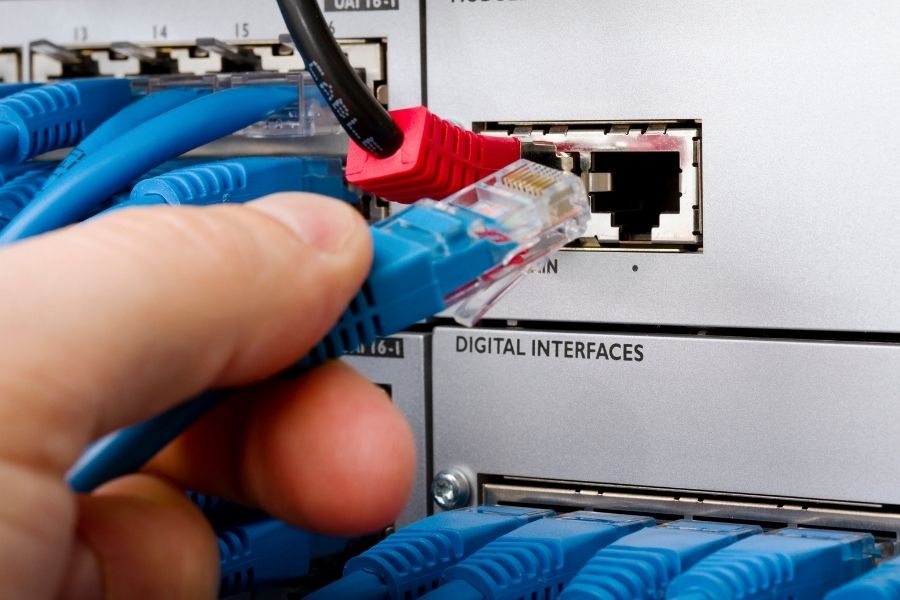
Structured Cabling Design and Planning
We design structured cabling systems based on your building layout, device count, and future growth needs to ensure efficient performance and scalability.
Cat5e Network Cabling Installation
Our team installs and terminates Cat5e cabling for reliable data and voice connectivity in offices, retail spaces, and commercial facilities.
Cat6 Network Cabling Installation
We install Cat6 cabling for higher bandwidth, improved performance, and better support for PoE-powered devices and demanding network environments.
Network Drops and Jack Installation
Denver Wiring runs clean, properly terminated network drops to workstations, conference rooms, and equipment locations.
Patch Panels and Cable Management
We install patch panels and organize cabling for easy access, airflow, and long-term manageability in telecom rooms.
Network Testing and Certification
All cabling is tested and verified to ensure proper performance, signal integrity, and compliance with structured cabling standards.
Choosing the Right Cabling for Your Business
Budget Considerations
Cat5e may be suitable for basic needs, while Cat6 offers greater long-term value for growing networks.
Performance Requirements
Higher data usage and PoE demands benefit from Cat6’s improved specifications.
Installation Environment
Tight spaces may favor Cat5e, while open or high-density environments often benefit from Cat6.
Frequently Asked Questions About Cat5e & Cat6 Structured Cabling
Yes. Both Cat5e and Cat6 are low-voltage structured cabling systems used for data, voice, and PoE-powered devices.
Yes. Cat6 is backward compatible with Cat5e devices and can be integrated into existing networks.
Cat6 is generally better for PoE, especially for higher-power devices, due to improved heat dissipation and performance.
Not always. The right choice depends on bandwidth needs, device density, and long-term growth plans.
Yes. Properly designed structured cabling systems allow for easy expansion without major rewiring.